Growing while remaining a store people choose
Casa Rica | From a small shop to rethinking stores, deliveries and teams
CASA RICA
A business study based on public sources and published interviews. Company accounts are distinguished from PI analysis.
Sources reviewed: 26 October 2026Before reading about Casa Rica
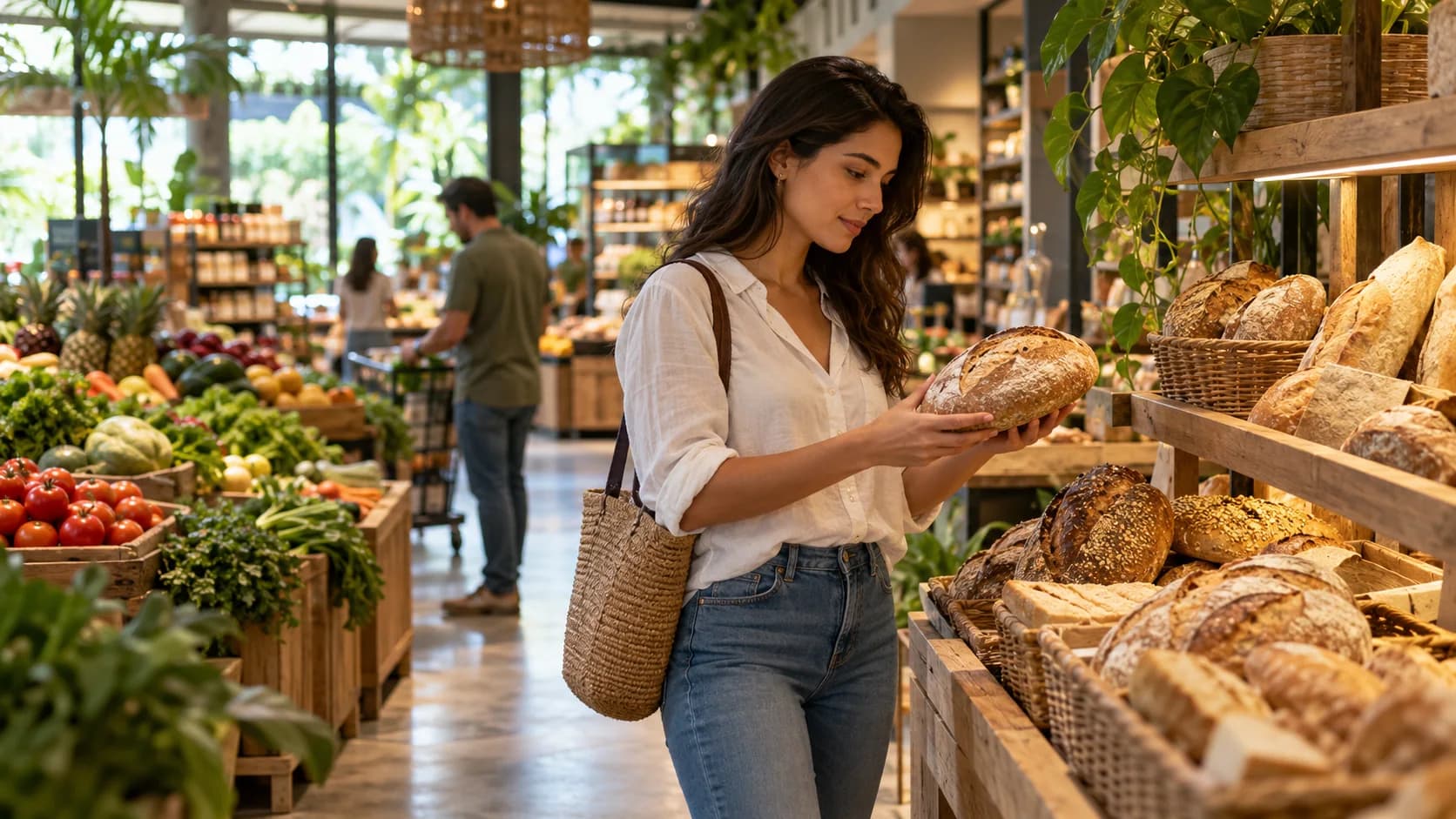
AI-generated illustration. People and places are fictional; not a photograph of Casa Rica or a reconstruction of events.
A crowded shop can be good news. But if shopping becomes difficult, it can also weaken the reason customers chose it. Online, a similar tension appears: receiving more orders does not automatically mean being able to prepare and deliver them well.
The value of studying Casa Rica, a Paraguayan food retailer, extends beyond counting stores. What needed more capacity, and what needed reorganizing as demand changed? This article follows its beginnings, physical expansion, customer habits, pandemic constraints and the coordination of people and supply.
Company accounts and published interviews carry references. Lessons proposed by the magazine are identified as “PI analysis.” The aim is to turn documented difficulties into useful questions, without inventing failures or treating every decision as a recipe for success.
Based on public sources and published statements, without original PI interviews. Missing information on initial funding, store-level earnings and the incident’s final resolution has not been filled with assumptions. The company’s establishment in 1988 is distinguished from its first store opening in 1989.
Acceptance was not certain at the beginning
According to the corporate history, Hertha Lange, who had bakery experience, opened a small family bread and food business in 1989. [S01] In a 2019 interview, Oliver Hiebl described its first premises as 250 square meters. [S02]
Oliver recalled in 2018 that they had initially been unsure whether local customers would accept European flavors. [S03] The sources reviewed do not establish the initial capital or funding method. The company’s present scale cannot tell us how financially comfortable its beginnings were.
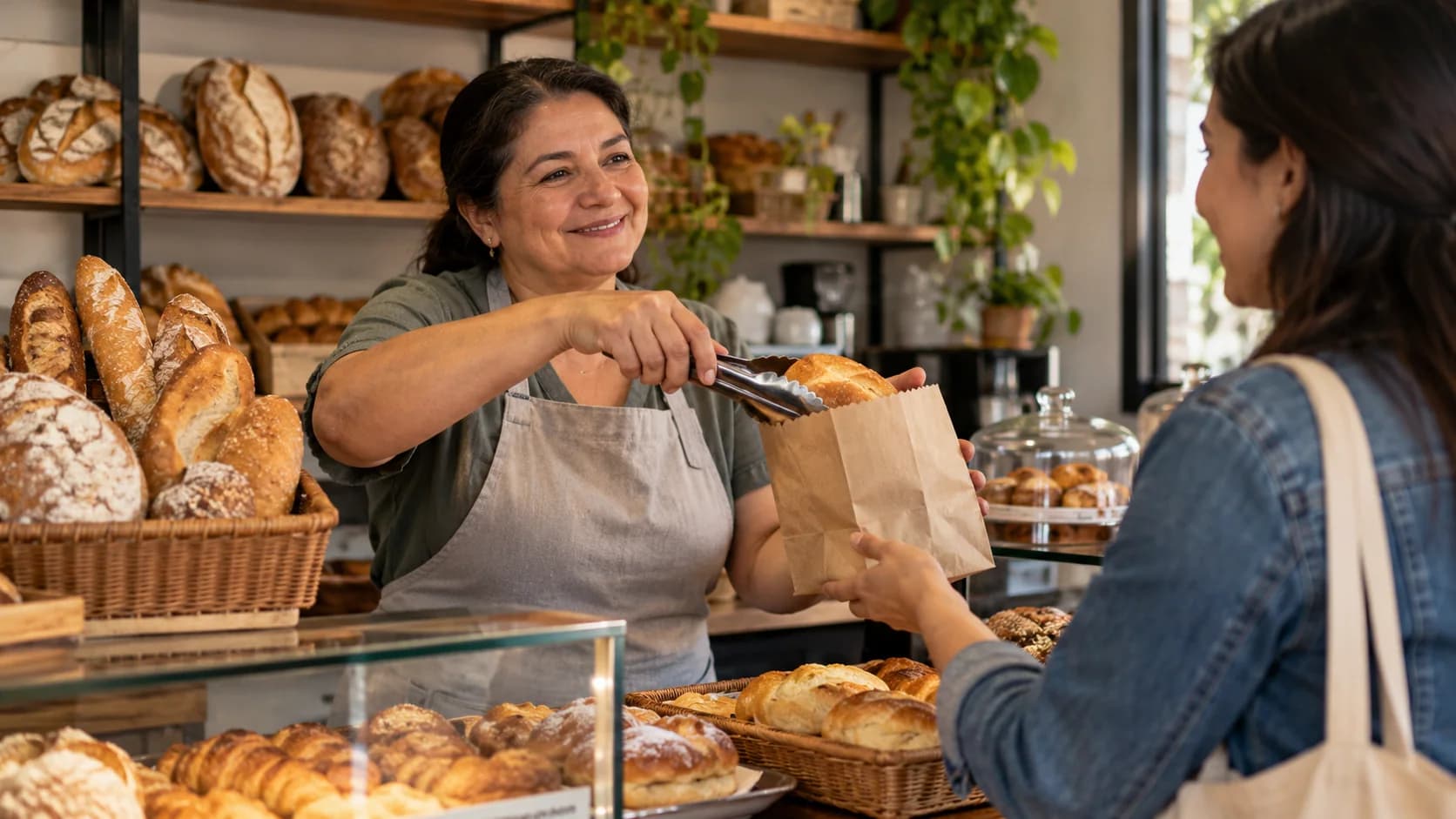
AI-generated illustration. People and places are fictional; not a photograph of Casa Rica or a reconstruction of events.
PI analysis There is a gap to test between the producer’s experience and the value a buyer perceives. Making an appealing product does not by itself establish who will buy it, on what occasion or why they will return.
For someone launching an offer, it helps to describe both what is being sold and which inconvenience it removes. Beyond the first reaction, observe what returning customers choose. This is a suggested approach for readers, not a claim that Casa Rica used this exact method when it started.
A bigger store does not settle every growth problem
In 2013, Casa Rica announced a move to Avenida España. [S04] In 2017, Oliver linked the Molas López opening to crowding at España and research on customers’ residential areas. [S05]
He reported approximately USD 10 million invested, including the building, equipment and opening stock. [S05] This dated estimate is neither founding capital nor profit.
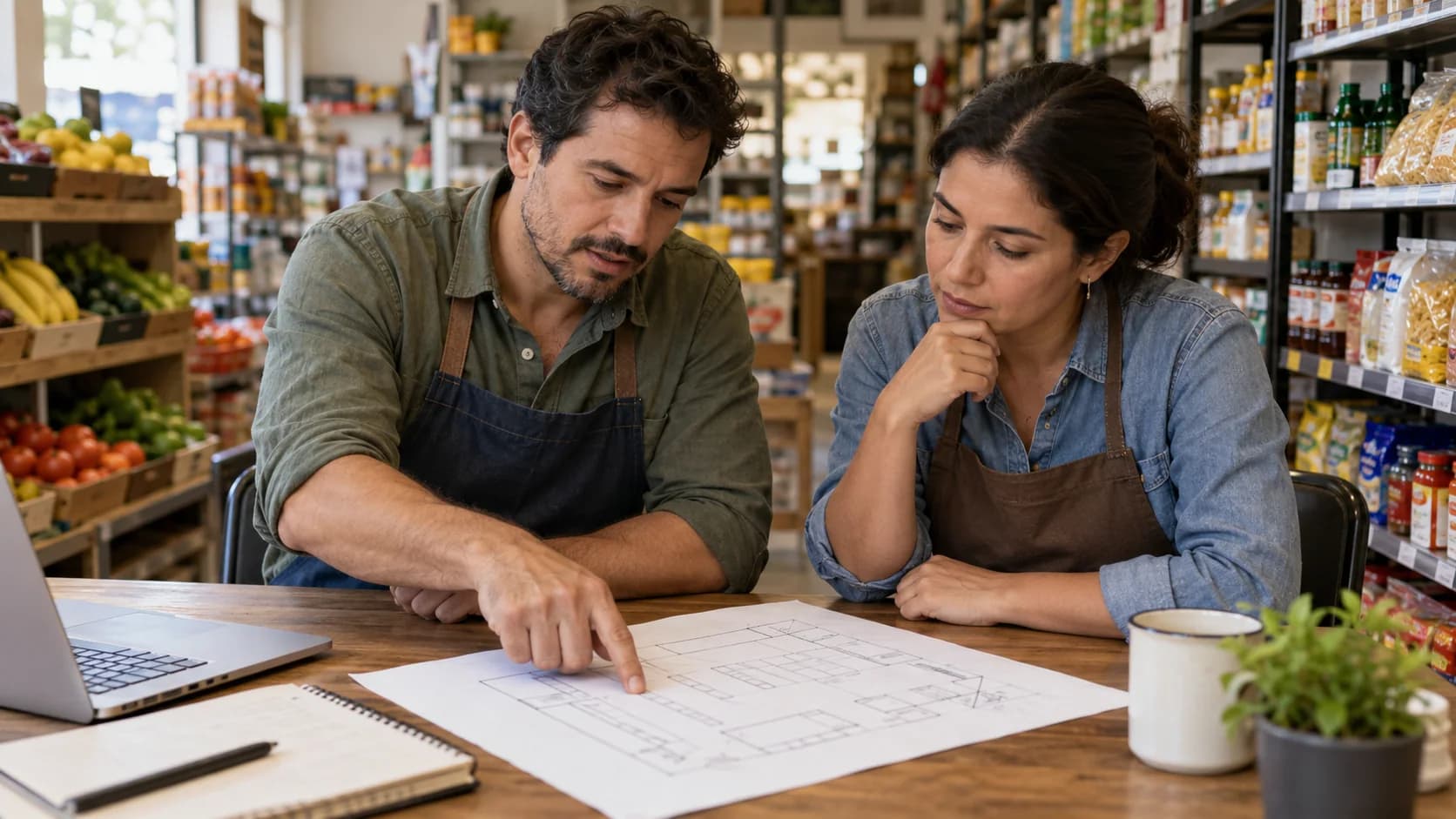
AI-generated illustration. People and places are fictional; not a photograph of Casa Rica or a reconstruction of events.
PI analysis Congestion can indicate demand, but its cause matters. Limited floor space, slow checkout and inadequate replenishment call for different responses. Adding space without identifying the bottleneck note 1 may simply move the queue elsewhere.
Studying the catchment area note 2 helps distinguish a busy location from one convenient for existing and potential buyers. That distinction also matters to a foreign business considering Paraguay. The useful lesson is to connect demand with capacity, rather than copy an investment amount. The sources do not allow an assessment of payback or profit by store.
In the following chapters
Explore online adoption, pandemic restrictions, responsibilities, and the work of sustaining teams and the product offer. After registering for free and confirming your email, you will return to this article to read all seven chapters.
- Being able to buy is not the same as changing a habit
- More orders while other activities stopped
- Responsibility extends beyond the sales floor
- Turning the founder’s attention into team capability
- A new store can open new occasions to buy
Term notes
Bottleneck
The stage that limits overall flow or capacity.
Back to the text ↑Catchment area
The area where a store’s customers generally live, work or spend time.
Back to the text ↑
Sources consulted
Bracketed numbers refer to the sources below. Corporate communications and executives’ accounts are not independent audits of performance. Read each statement in the context of its original date. Editorial source check: 26 October 2026. Facts retain the dates of their respective sources.
- S01 Casa Rica · Historia institucional / Corporate history ↗
s. f. / undated
Corporate history - S02 InfoNegocios · Entrevista a Oliver Hiebl: evolución de Casa Rica ↗
2019-04-26
Executive interview - S03 BBVA · Casa Rica y BBVA Paraguay: entrevista comercial ↗
2018-09-10
Bank promotional case study with client statements - S04 Última Hora · Anuncio del traslado a avenida España ↗
2013-01-30
Contemporary report of an opening plan - S05 Última Hora · Apertura en Molas López: ubicación e inversión ↗
2017-12-09
Opening report with executive statements - S06 Club de Ejecutivos · El omnipresente delivery: entrevista a Oliver Hiebl ↗
2020-08-09
Executive interview - S07 InfoNegocios · Compras a un clic: experiencia de compra online ↗
2018-06-22
Service and statements documented in 2018 - S08 InfoNegocios · Entrevista a Paul Grimm: operación durante la pandemia ↗
2021-11-11
Executive interview - S09 Municipalidad de Asunción · Intervención tras un principio de incendio ↗
2020-02-17
Contemporary municipal announcement - S10 InfoNegocios · Entrevista a Florian Haensch: equipo y estrategia ↗
2024-04-18
Executive interview - S11 InfoNegocios · Entrevista a Paul Grimm: desafíos y expansión ↗
2023-12-15
Company representative interview - S12 Casa Rica · Apertura en Distrito Perseverancia ↗
2025-12-03
Corporate opening announcement